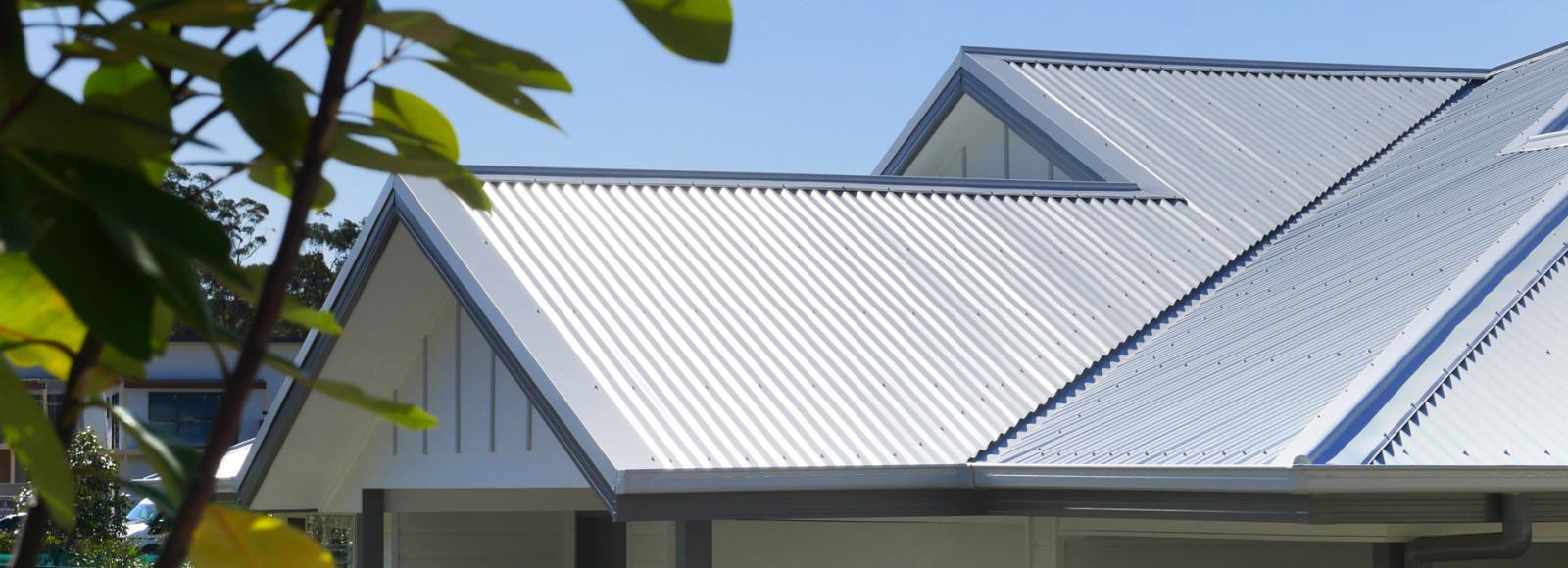
The overlooked role of flashings
Leaks rarely start with the roof sheet itself. More often, they begin at junctions. Flashings seal these vulnerable points, where your home’s roof meets walls, penetrations interrupt the surface, and edges face wind and rain. Roofing and cladding define how your home looks. Flashings determine how well it resists water.
In a single season, a roof can face heavy rain, gusty winds and long stretches of sun. That is why flashings matter so much. Their detailing influences how well the roof sheds water, how comfortable the interior stays, and how often you will need to address maintenance.
Even a well-designed roof can struggle at junctions if flashing waterproofing is not continuous, compromising overall weatherproofing.
How flashings protect your home
Flashings are purpose-formed components installed at roof and wall junctions to manage water where different building surfaces meet. Installed at junctions, valleys, ridges, and penetrations, they guide water away from seams and stop moisture entering your home’s roof and walls.
In practical terms, flashings are doing three jobs at once:
- Deflecting water away from openings and seams
- Collecting runoff where roof planes meet walls or gutters
- Directing water to discharge points so it can drain safely.
They form part of an integrated system. When shaped correctly and installed in sequence with roofing and walling, flashings create a continuous drainage path that performs reliably, even under wind‑driven rain. A clear drainage path means the system relies less on sealants to do the hard work.
When water is directed and discharged as intended, performance is easier to maintain year after year. That can reduce call-backs and help the roof perform more predictably in harsh weather.
When flashings fail
Failure often develops quietly. Small detailing errors, incompatible materials, or poor allowance for thermal movement can create gaps that widen gradually. UV exposure accelerates deterioration if materials lack resistance.
When water finds a way past the surface, problems often show up in places you do not expect. Timber can stay damp and degrade, insulation can lose effectiveness, and internal linings may stain or develop mould. Repairs can become disruptive and expensive if sections of roofing or cladding need to be opened up.
Getting the flashings right early, including flashing waterproofing at vulnerable points, helps reduce that risk.
Flashings in modern roof design
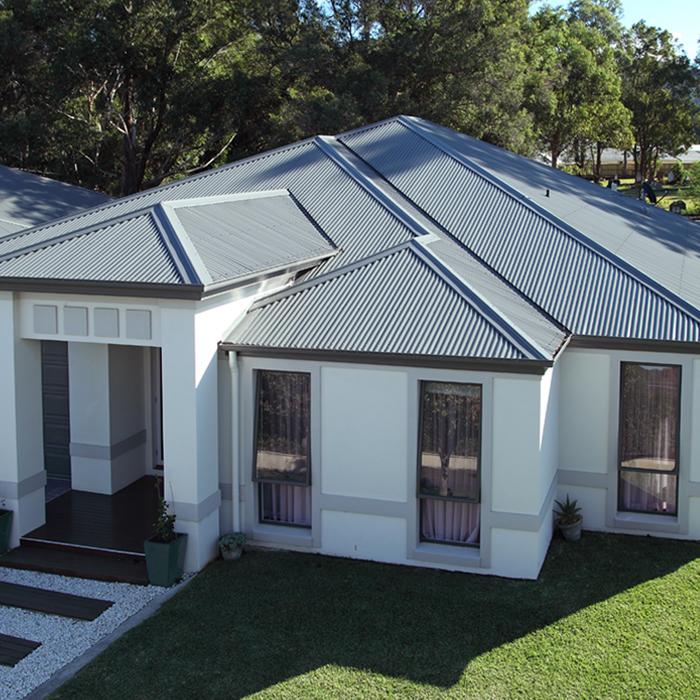
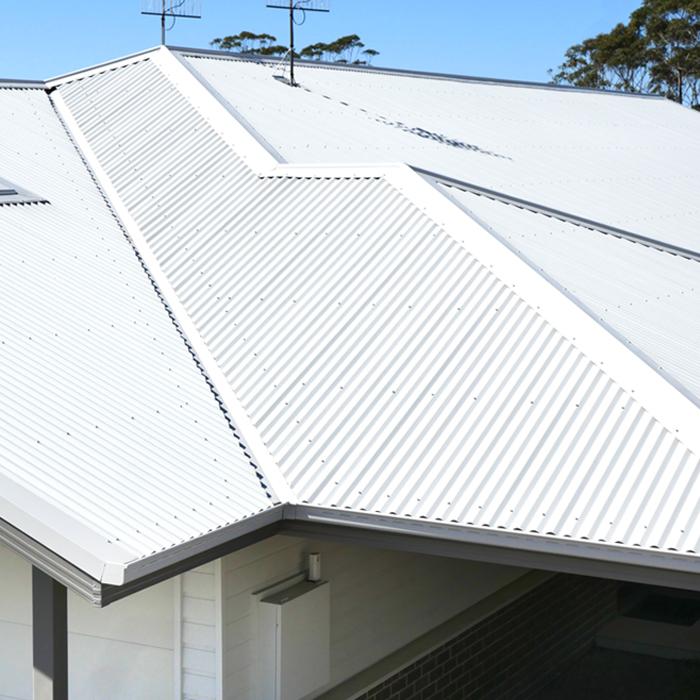
Many contemporary homes use simple roof forms, shallow eaves and tight transitions between roof and wall planes. Those details can look precise, but they also leave less room for error.
Profiles such as LYSAGHT ENSEAM®, part of the ZENITH® premium architectural cladding range, are often chosen for their crisp lines and concealed fixing approach. In these modern roof designs, flashings take on added importance.
The clean lines of standing seam-style systems rely on accurately formed flashings that control water at junctions, parapets, and penetrations without disrupting the visual finish.
When the details are resolved properly, flashings can protect the junctions without interrupting the design. When they are not, the roof can start to show it, water staining, patch repairs, or joins that no longer sit flat. Good detailing supports the look you want and the practical job of weatherproofing roof edges, parapets and penetrations.
Materials and compatibility
For your home to stay weather‑tight, all materials in the roof system need to work together. Flashings must be compatible with adjacent roofing and walling to ensure consistent performance.
Steel flashings made from durable substrates and finished for UV resistance give your home dependable protection in harsh conditions. Used with a suitable waterproof membrane, they help prevent water ingress while supporting the broader roof system that safeguards your home.
Some roof and wall build-ups also include vapour permeable layers, depending on the design and exposure. These membranes are intended to help manage moisture movement by allowing vapour to pass while resisting liquid water. Used alongside a suitable waterproof membrane and correctly integrated with flashings over key building surfaces, they can support condensation control in the overall system.
Why specification matters
Flashings are not one‑size‑fits‑all. Roof pitch, profile geometry, and junction conditions all influence their shape and dimensions. Choosing flashings purpose‑made for your roof ensures a precise fit and effective water control for your home.
Factory‑formed flashings provide clean edges and reliable coverage. This reduces on‑site modification and supports more consistent installation. For homeowners, it means peace of mind knowing the critical junctions in your roof have been addressed correctly from the start.
Installation quality
Even well‑designed flashings rely on correct installation. Fixing methods, lap direction, and integration with membranes must follow best‑practice guidelines.
Flashings need to throw water clear of the structure, not trap it at laps or edges. Penetrations deserve extra care because they interrupt runoff and concentrate water in a small area. Where a waterproof membrane is specified, choosing one that is easily applied can help around tight junctions, but sequencing still matters. The membrane and the flashing must work together so the flashing waterproofing remains continuous.
The bigger picture
Flashings are the focus of roof weatherproofing. They manage water at the most vulnerable points of your home’s roof and walls, protecting the structure where it matters most.
When compatible materials, precise detailing, and careful installation come together, flashings deliver reliable performance through years of changing conditions. Most of the time, you will not notice flashings at all, and that is the point. They quietly protect the areas most likely to leak, helping keep repairs off your to-do list.